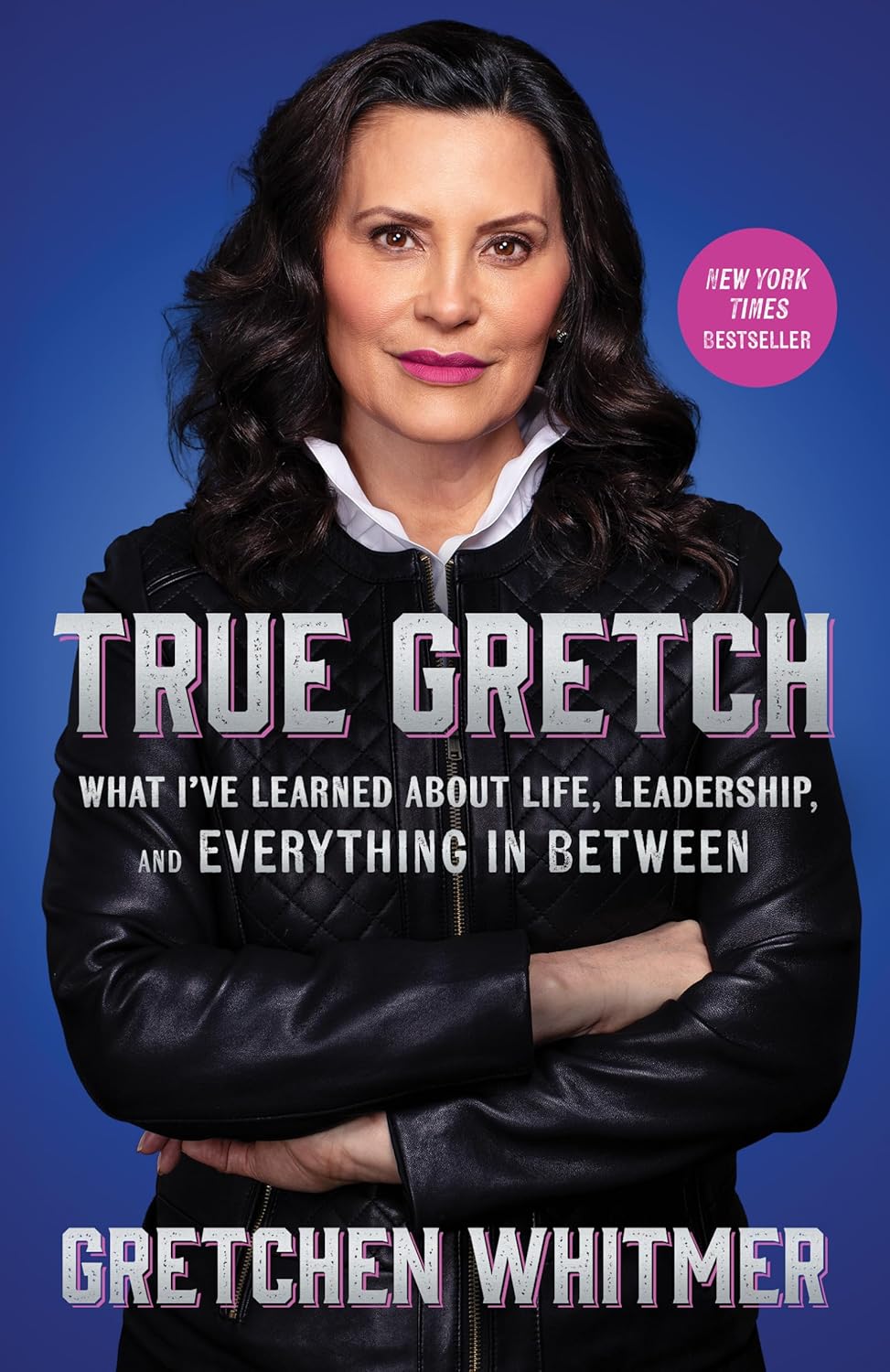
True Gretch: What I’ve Learned About Life, Leadership, and Everything in Between
True Gretch defies the conventions of political memoirs and leadership manuals alike. Instead of offering a polished playbook on how to lead, Gretchen Whitmer invites readers into the messy, uncertain moments that define leadership in practice. Her narrative is intimate, reflective, and unvarnished — a rare blend of personal struggle and public responsibility.
At its core, this book is about the tension between values and the world’s unyielding demands. Whitmer recounts episodes from her journey — from small-town beginnings to the pressures of statewide leadership — with an unflinching honesty about the trade-offs that shape every decision. In these pages, leadership is presented not as a title or a role, but as a series of fraught choices made in imperfect circumstances.
What gives True Gretch its resonance is its focus on accountability. Whitmer does not shy away from the discomfort of acknowledging where things went wrong, where judgments were second-guessed, or where outcomes fell short of intentions. This willingness to engage with imperfection elevates the book beyond self-justification; it becomes a meditation on what it means to answer for one’s decisions in the arena of public life.
Unlike many leadership texts that celebrate certainty and decisiveness, Whitmer’s account acknowledges the pervasive presence of doubt. She illustrates how leaders must navigate conflicting pressures — legal, ethical, political, personal — often without the clarity they crave. In doing so, the book reframes leadership as a practice of endurance, resilience, and empathy, where strength is measured not in unassailable confidence but in the resolve to act thoughtfully amid ambiguity.
True Gretch is also notable for how it situates individual agency within broader social currents. In discussing crises such as public health emergencies and social discord, Whitmer demonstrates that leadership is inseparable from the communities it seeks to serve. It is not merely about making the right call; it is about understanding the fabric of human experience that makes those calls so consequential.
In the end, True Gretch does not offer neat answers or easy formulas. What it does provide is something rarer: a candid exploration of leadership as lived experience — complicated, imperfect, and deeply human.